
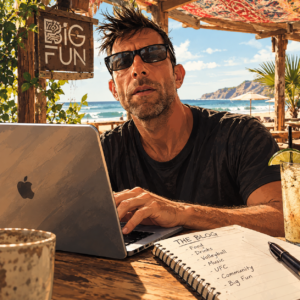
Hey, this is Mike from Big Fun Beach Club
Lately, I’ve been noticing these heated conversations on social media, both from friends back in the U.S., where I lived most of my life, and from friends here in Mexico, where I’ve now lived for five years. What’s striking is that the conversations sound almost exactly the same. Here, some people blame Americans and Canadians moving south for rising rents and cost of living. In the States, I hear a very similar frustration pointed in the opposite direction, blaming Mexicans or other immigrants for higher housing, food, and gas costs. Same frustration, different newcomer.
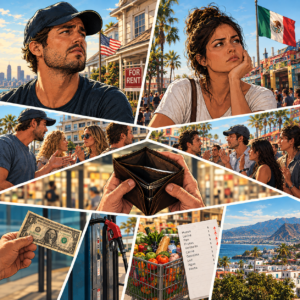
Now, let me say up front, supply and demand are real. If a small town suddenly gets a flood of new arrivals and not enough housing is being built, rents can rise. That’s very local and very visible. But it doesn’t explain why so many things across entire economies feel more expensive all at once.
Americans living in Mexico aren’t buying up all the eggs. Mexicans moving to California aren’t buying all the gasoline. Canadians aren’t clearing out the vegetable aisles.
So, maybe we also need to talk about something most people don’t usually talk about around the dinner table: the purchasing power of money.
That phrase sounds technical, but it’s really simple. How much stuff does your money buy?
Imagine walking into the grocery store with 1,000 pesos. A few years ago, that might have filled a cart. Today, maybe it’s half a cart. Your wallet still had 1,000 pesos in it. Your receipt still says 1,000 pesos, but you walked out with less. That is purchasing power going down.
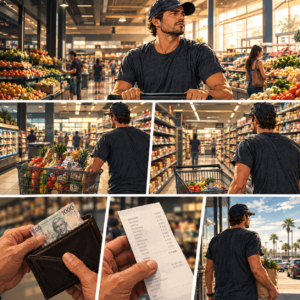
The same goes for dollars. Someone might earn more dollars than they did five years ago, but if rent, groceries, insurance, and electricity all rise even faster, then even though the number on the paycheck is bigger, their life feels tighter. That’s not about who’s standing in line at the store; it’s about how far the money stretches.
Now, why does purchasing power go down? That’s where the big picture comes in.
Prices can rise for lots of reasons. Supply shocks, energy problems, shortages, and also the less visible world of money and policy.
That side is almost invisible in daily life. No one sends you a text that says, “Heads up, your currency just got weaker.” You just discover it, little by little, in the grocery aisle, at the gas pump, at the end of the month.
And because that part is invisible, it’s very human to look instead at something we can see. The new neighbor. The new family down the street. The different language at the cafe. That’s an easier target than abstract forces.
But having lived on both sides now, what’s really stayed with me is how similar the feeling is. Mexican families are trying to stretch a peso further. American families are trying to stretch a dollar further. Both are working hard, both are budgeting, both are wondering, what happened?
Maybe if we understood a bit more about how our money changes in value, we might spend a little less energy blaming each other and a little more asking better questions.
And since this is the Big Fun Beach Club blog, I’ll allow myself one small, slightly shameless plug.
We can’t fix inflation from a beach bar here in Cerritos. I wish we could. But we do try to help your pesos go a little further while you’re here. Daily specials, deep discounts, two-for-one deals. Check out our menu online, or better yet, just come down. Sit by the waves, grab a bite, bring the family.

After writing a whole piece about purchasing power, the least we can do is try to give you a little more of it when you’re with us.
See you on the beach.
Sponsored By :